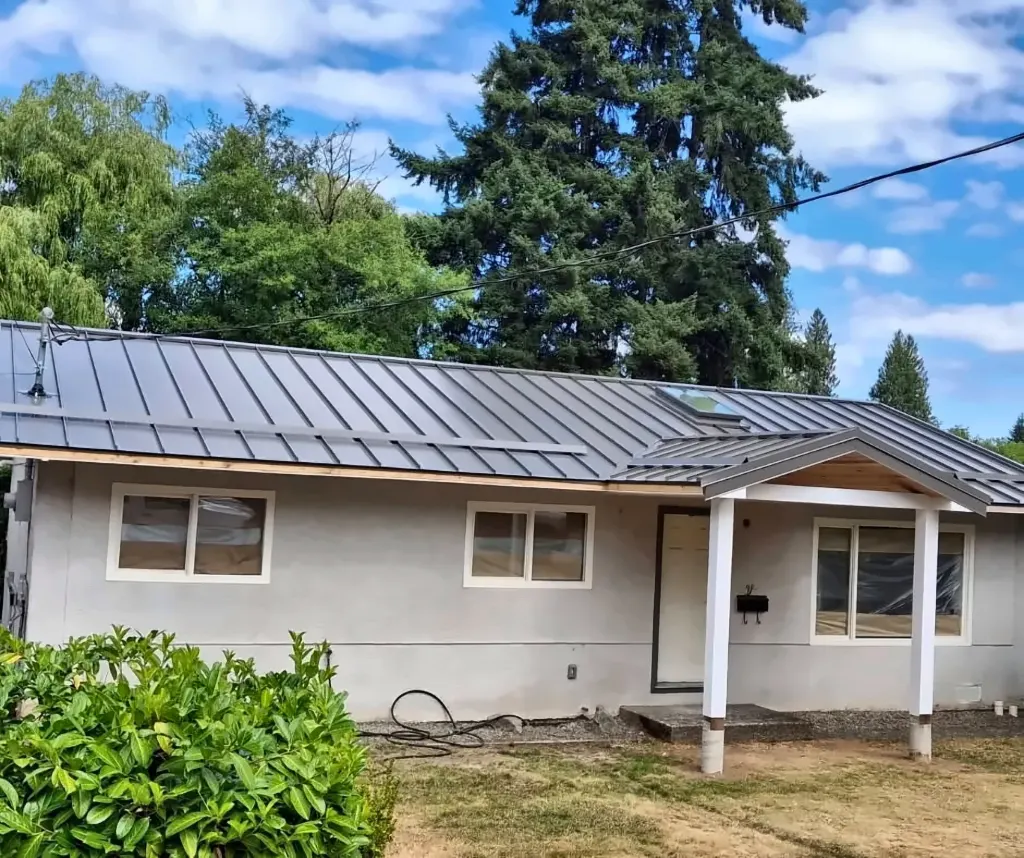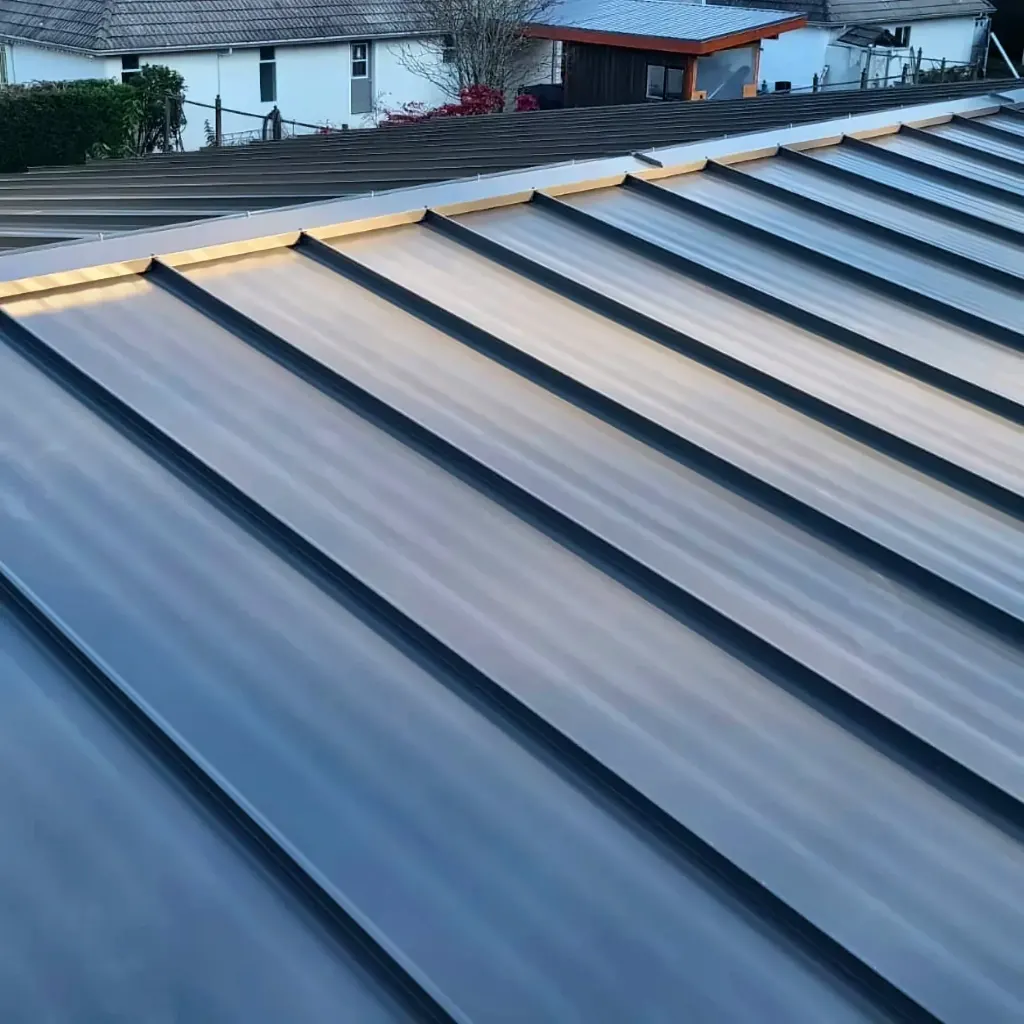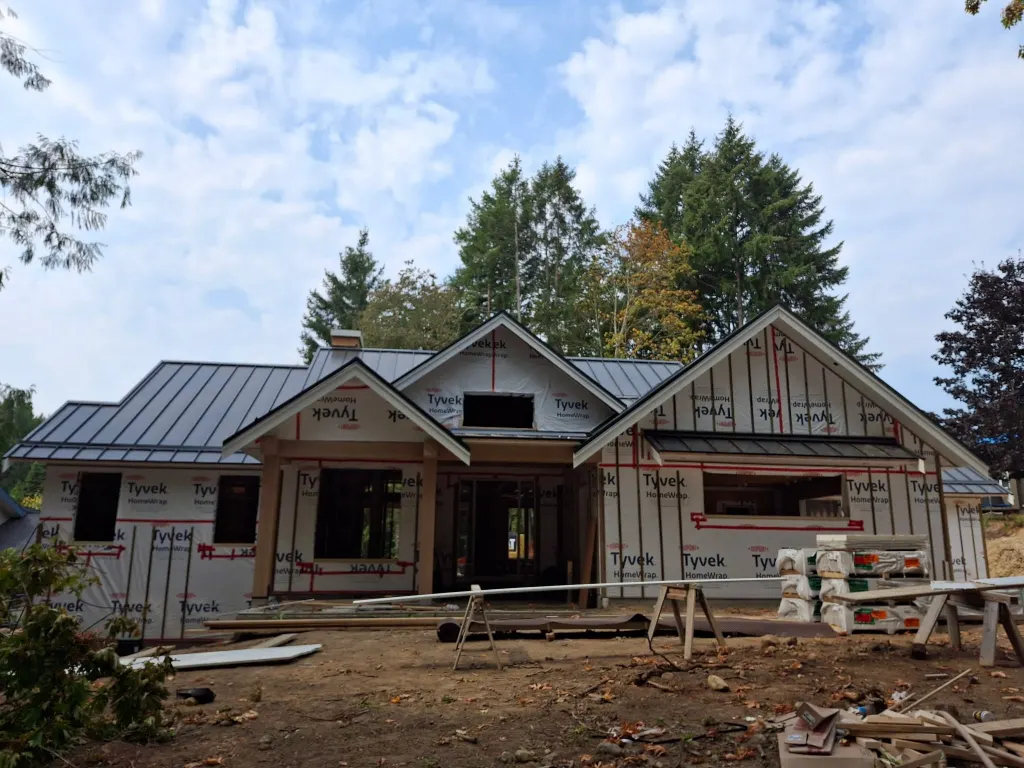


The Cowichan Valley has a way of testing roofs. Wet winters that stretch from October to April. Micro-climates where one side of a ridge gets far more rain than the other. Properties with large roof footprints: acreages, farmhouses and older character homes, where a roofing failure isn't a minor inconvenience. It's an expensive problem that gets worse the longer it goes unaddressed.
It's a region where material choice matters. And more homeowners across the Cowichan Valley are choosing metal roofing.
Why metal roofing performs so well in the Cowichan Valley
The Cowichan Valley isn't just wet. It's persistently wet, in a way that wears down porous materials over time. Asphalt shingles take on moisture at the surface, and in shaded areas (which describes most properties in the valley) moss and algae move in within a few years.
The usual pattern: asphalt goes down and looks fine for a few years, then starts showing moss and staining, needs cleaning and treatment, shows wear, and eventually needs full replacement. In the Cowichan Valley's climate, that tends to happen sooner rather than later.
Metal roofing doesn't follow that curve. It doesn't absorb moisture, and moss doesn't take hold on metal the way it does on asphalt. Standing seam metal locks panels together at raised seams with no exposed fasteners, giving water no path in. In this valley's rainfall, that matters every year the roof is on the building.
A quality standing seam roof, properly installed, is built to last for decades. For most homeowners, that's one roofing decision. Compare it with repeated asphalt replacements over the same years, each with its own labour, disposal and disruption, and the economics of metal look very different from the upfront price.
Why metal suits the Cowichan Valley property profile
A lot of Cowichan Valley homes aren't small, and they aren't simple. Acreages with multiple rooflines. Farmhouses with large square footage and complex pitches. Older homes that have been re-roofed more than once and are overdue for something that will last. Rural properties where getting a contractor out for maintenance every few years is a real cost and a real hassle.
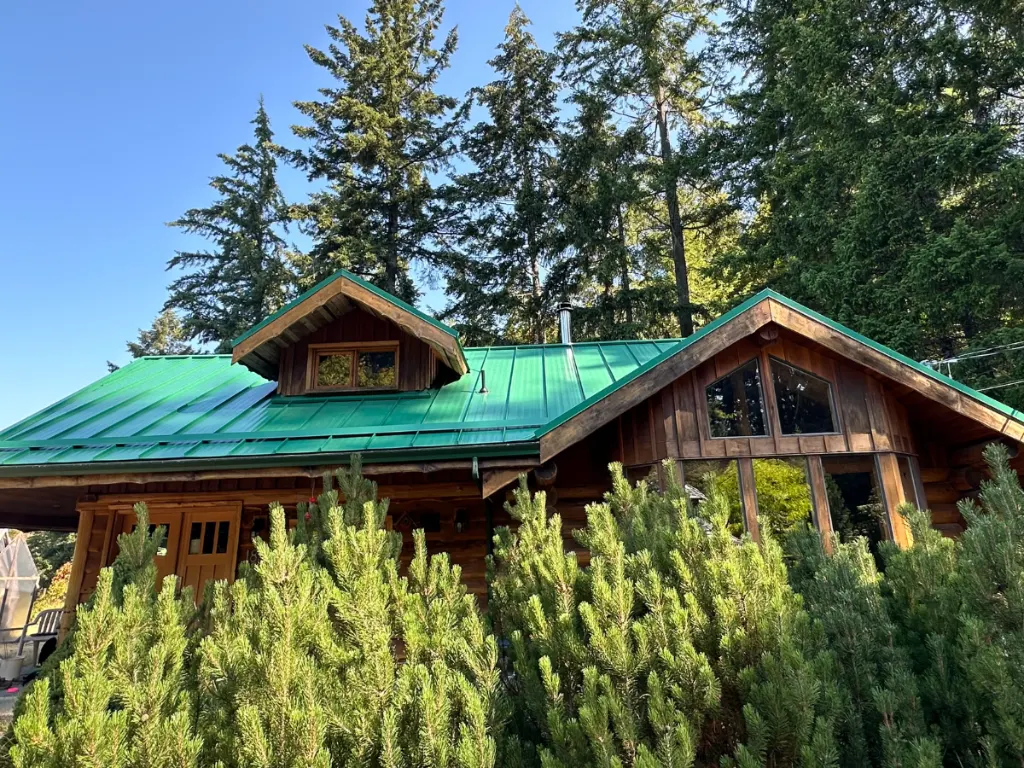
Metal suits all of these well. On large roofs, the durability and low maintenance are especially valuable: there's a lot of roof up there, and a material that doesn't need regular attention means a lot. On rural and acreage properties, a long lifespan means fewer decisions, fewer contractors and fewer disruptions.
That includes outbuildings. In Cobble Hill, we roofed a barn in 12-inch snap-lock standing seam.
Common questions from Cowichan Valley homeowners about metal roofing
Is metal roofing worth it for a rural Cowichan Valley property?
For a property you're holding long-term, the math usually favours metal. One installation instead of repeated replacements. Lower maintenance. No moss treatments. If you're selling in three years, the numbers may not work out. If this is your long-term property, metal is usually the better investment.
How much does metal roofing cost in the Cowichan Valley?
Metal roofing costs more upfront than asphalt shingles, and on larger rural properties that difference is meaningful. What changes the calculation is lifespan: one metal roof against repeated asphalt replacements, plus no ongoing moss treatment and cleaning. Your free estimate and detailed written quote give you the real numbers for your property.
Is metal roofing loud in the rain?
A metal roof installed over a solid deck with proper underlayment and attic insulation is not much louder than asphalt. The rain-on-metal sound people picture comes from uninsulated buildings: sheds, barns and outbuildings. In a properly built home, the difference is small.
What type of metal roofing is best for the Cowichan Valley?
Standing seam is the right system for this climate: no exposed fasteners, and panels that shed heavy rain. Profiles and colours can be chosen to suit older character homes in the area.
The installation details that separate good work from great work
Flashing is where metal roofs succeed or fail. The panel systems are durable. The weak points are at the transitions: around chimneys, at valleys, where the roof meets a wall, and around any penetration. In a wet climate like the Cowichan Valley's, those junctions need to be done right, with the right materials and the right technique.
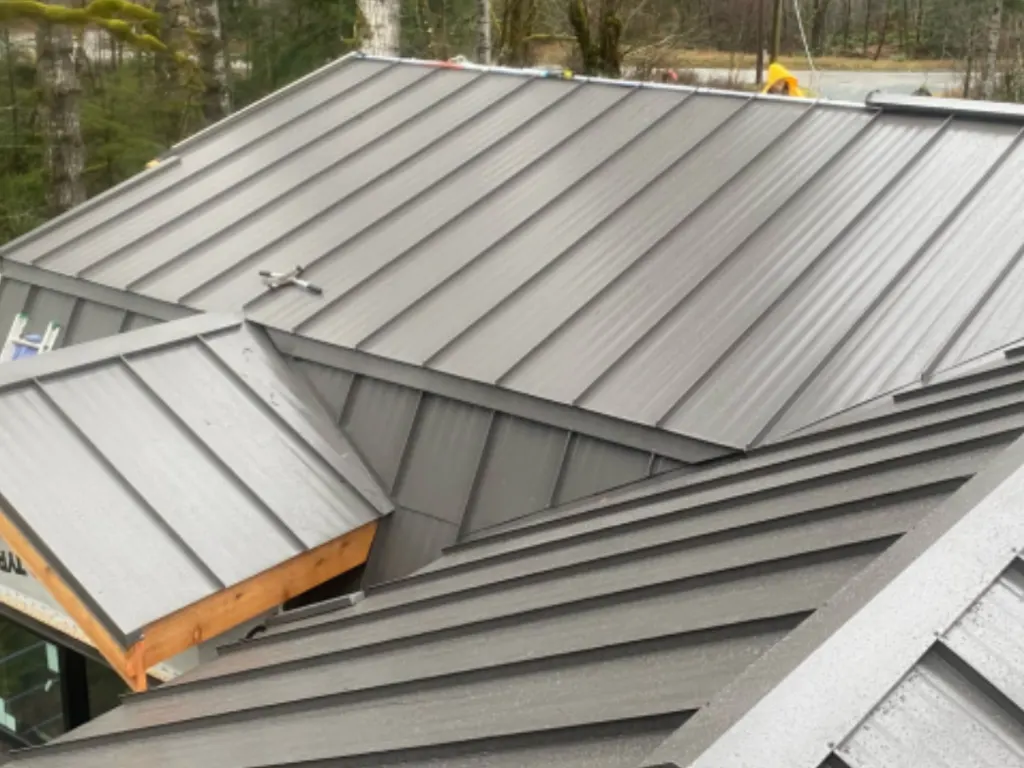
When you compare contractors, ask specifically how they handle flashing. Ask what underlayment they use and what finish is on the panels. Good answers to those questions tell you a lot.
Stellar Metal Exteriors is based in the Cowichan Valley
We live and work here. We're based in Shawnigan Lake and work throughout the region: Mill Bay, Cobble Hill, Duncan, North Cowichan, Lake Cowichan and beyond. Metal roofing and exterior work is all we do.
If you're thinking seriously about a metal roof, give us a call. Free estimates, honest answers, and a crew led by a Red Seal sheet metal worker.